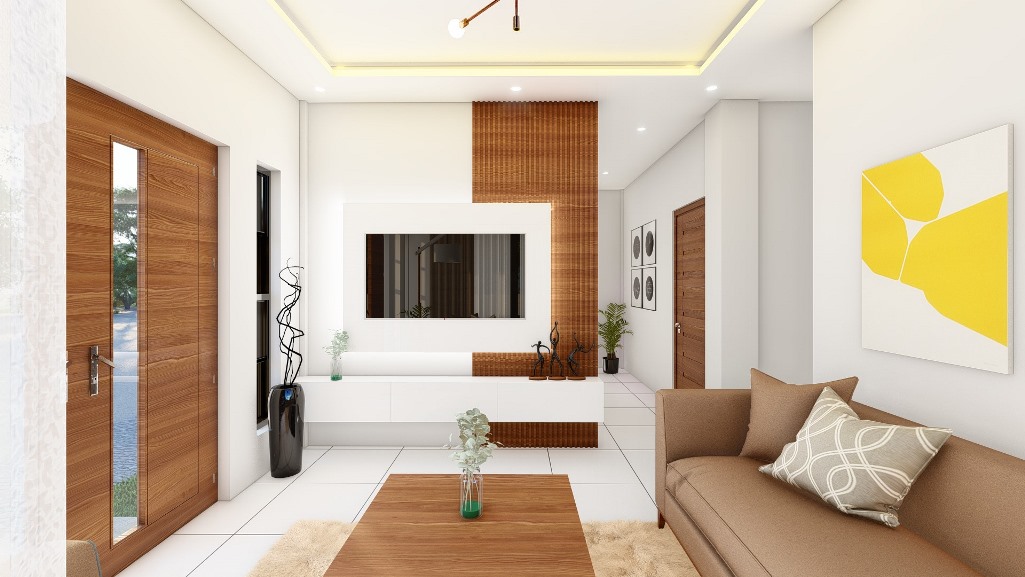
Design has evolved into an essential area of modern living, by using how people experience their homes, workplaces, and public environments interior design. More than simply arranging furniture or selecting colors, design is a creative and functional discipline that combinations appearance, mindsets, buildings, and lifestyle needs. A considerately designed interior has the power to influence mood, productivity, comfort, and even social interaction, making it a vital part of contemporary spaces.
At its foundation, design focuses on creating environments that balance beauty and usefulness. Designers analyze how people use a space and then develop templates that improve movement, accessibility, and efficiency. Every element, from lighting placement to furniture selection, contributes to a cohesive environment that supports daily activities. A well-designed space feels natural and intuitive, allowing occupants to interact with their surroundings effortlessly.
One of the most significant facets of design is spatial planning. Understanding how space functions ensures that rooms do not feel overloaded or underutilized. Designers consider traffic flow, proportions, and functional specific zones when organizing rooms. For example, an open living area may combine relaxation, dining, and entertainment specific zones while maintaining visual harmony. Effective planning maximizes usability without sacrificing style.
Color plays a powerful role in design because it directly influences emotional reactions. Warm tones can create a welcoming and energetic atmosphere, while cooler shades often promote stillness and focus. Designers carefully select color palettes based on the function of each room. Bedrooms often feature soothing colors to encourage rest, while offices may incorporate balanced tones that enhance concentration and creativity. The interaction between color, light, and texture helps establish the overall personality of a space.
Lighting is another essential part of design. Natural light enhances well-being and creates an awareness of openness, while artificial lighting adds depth and functionality. Designers typically layer lighting through background, task, and accent sources. Background lighting provides general lights, task lighting supports specific activities such as reading or cooking, and accent lighting highlights industrial features or decorative elements. The right combination makes over an ordinary room into a successfully dynamic environment.
Furniture selection goes beyond appearance in design. Comfort, durability, and proportion are equally important considerations. A designer assess how furniture pieces interact with one another and with surrounding space. Oversized furniture may overwhelm a small room, while undersized pieces can make a large area feel empty. Carefully chosen furnishings ensure balance while supporting practical use.
Texture and materials add depth and interest to design. Combining materials such as wood, metal, fabric, glass, and stone creates visual contrast and tactile richness. Soft fabrics can make a location feel cozy, while sleek surfaces contribute to a modern day aesthetic. Designers often layer textures intentionally to prevent rooms from appearing flat or boring, creating environments that feel inviting and dynamic.
Personalization has become a defining trend in contemporary design. Modern homeowners and businesses seek spaces that reflect identity rather than standard styles. Designers incorporate personal elements such as artwork, cultural influences, and meaningful décor to create unique environments. This personalized approach ensures that rooms tell a tale and resonate emotionally with those who occupy them.
Sustainability in addition has be a major focus within design. Green conscious practices influence material selection, energy efficiency, and waste reduction. Designers increasingly choose eco-friendly materials, recycled furnishings, and energy-saving lighting solutions. Sustainable design not only reduces environmental impact but also promotes healthier indoor environments through improved air quality and responsible sourcing.
Technology integration has transformed design in recent years. Smart home systems allow lighting, temperature, and security features to be controlled digitally, enhancing convenience and efficiency. Designers now consider technological structure within the planning process, ensuring that devices blend faultlessly into the overall aesthetic. The goal is to create spaces where technology enhances comfort without owning overall look.
Design also plays an important role in workplace environments. Well-designed offices can improve employee productivity, creativity, and satisfaction. Elements such as ergonomic desk furniture, natural lighting, and collaborative spaces encourage better performance and well-being. Companies increasingly observe that innovative design contributes to organizational success by supporting both focus and teamwork.
In hospitality and commercial settings, design shapes customer experiences. Restaurants, hotels, and shops rely on design to communicate brand identity and influence behavior. Lighting, layout, and décor work together to create memorable thoughts that encourage guests to go back. A carefully designed environment can bring to mind luxury, comfort, excitement, or relaxation depending on the intended atmosphere.
Cultural influences are deeply embedded in design practices. Different regions and traditions invigorate unique styles, patterns, and materials. Designers often blend global influences with modern concepts to create spaces that feel both contemporary and meaningful. This blend of cultural inspiration adds richness and diversity to develop outcomes while celebrating heritage and creativity.
Another important factor of design is flexibility. As lifestyles change, spaces must change to meet new needs. Multifunctional furniture, flexible templates, and modular designs allow rooms to adapt over time. For example, a home office may transform into a guest room, or a living area may accommodate remote work and entertainment simultaneously. Adaptable design ensures longevity and usefulness.
Mindsets plays a subtle yet powerful role in design. The arrangement of space, choice of colors, and presence of natural elements can influence mental well-being. Incorporating plants, natural materials, and balanced lighting can reduce stress and promote relaxation. Designers increasingly focus on creating environments that support emotional health alongside overall look.
Awareness of detail differentiates exceptional design from ordinary decoration. Small elements such as hardware finishes, fabric patterns, and decorative accessories contribute to the overall harmony of a space. Designers carefully curate this data to ensure consistency and cohesion. The result is an environment where every component feels deliberate and connected.
Collaboration is another essential aspect of successful design projects. Designers work closely with architects, contractors, and clients to translate ideas into reality. Open communication ensures that functional needs, budget considerations, and aesthetic preferences line-up throughout the process. This collaborative approach leads to outcomes that satisfy both practical requirements and creative vision.
Design continues to change as new materials, technologies, and lifestyles emerge. Minimal appearance, biophilic design, and wellness-focused rooms are gathering popularity as people prioritize simplicity and balance. Despite changing trends, the core function of design remains constant: to create spaces that enhance daily life through innovative planning and artistic expression.