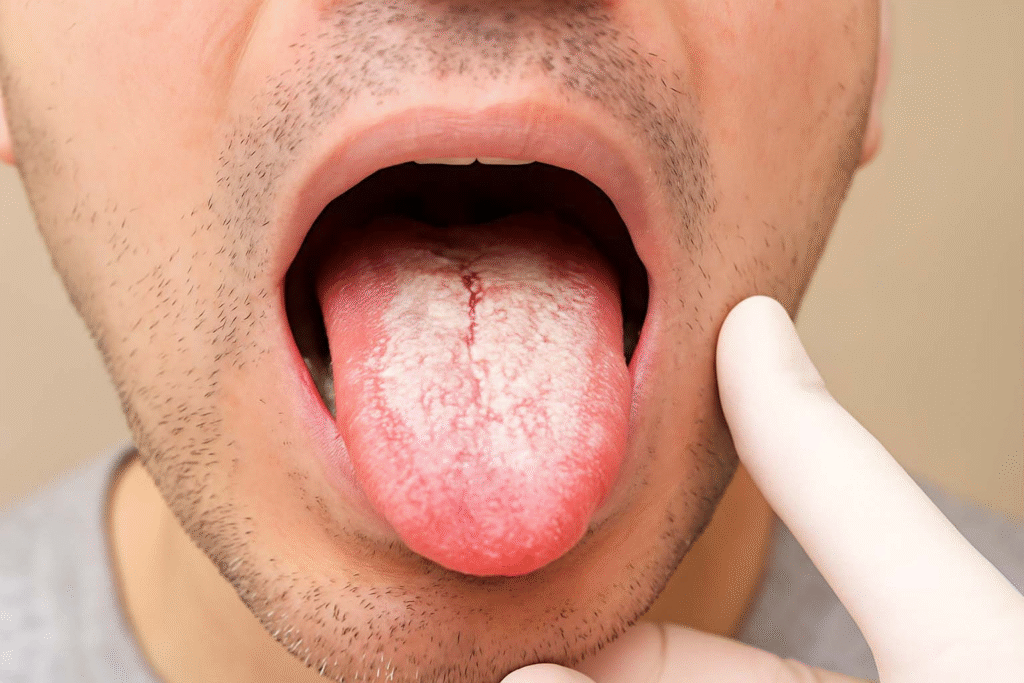
Women’s health involves a wide range of concerns, from the reproductive system health to hormonal balance, immunity, and overall wellness. Among these, infections caused by Candida—a type of yeast—are a common yet often overlooked issue. Thrush is a naturally occurring fungus in the human body, primarily found in areas such as the mouth, gut, and oral tract. Whilst it typically coexists harmlessly with the body’s microbiome, certain factors can lead to its overgrowth, triggering a condition known as infections. A focus on Women Healthcare Thrush is essential because it affects not only physical health but also emotional wellbeing and quality lifestyle.
Thrush overgrowth in women often manifests as oral thrush infections, which are among the most frequent infections impacting women of the reproductive system age 念珠菌塞藥. Symptoms range from itchiness, irritation, abnormal discharge, and discomfort during urination or sexual activity. While occasional thrush infections are common and typically manageable with over-the-counter treatments, frequent infections may indicate deeper health issues. Addressing Women Healthcare Thrush involves understanding the reasons, symptoms, prevention strategies, and treatment plans to ensure women maintain optimal health.
Several factors can contribute to Thrush overgrowth. Hormonal changes, such as those occurring during pregnancy, menstruation, or menopause, can alter the oral environment, making it more susceptible to thrush infections. Antibiotic use is another common trigger, as antibiotics can break up the natural balance of bacteria by the body processes, reducing beneficial bacteria that usually keep Thrush at bay. Lifestyle factors such as diet, stress, and hygiene practices also play a role to promote or preventing overgrowth. Recognizing these contributing factors is a key part of comprehensive Women Healthcare Thrush management.
Nutrition and lifestyle choices have a direct affect Thrush growth. Diets high in sugar and refined carbohydrates can encourage thrush growth, while eating better rich in fiber, whole grains, vegetables, and probiotics can support a balanced microbiome. Adequate sleep, regular physical activity, and stress management are equally important, as chronic stress can weaken the immune system, making the body more liable to infections. Women who prioritize these facets of wellness are better equipped to prevent Thrush overgrowth and look after overall the reproductive system health.
Early prognosis of Candida-related issues is essential for effective management. Symptoms may vary from mild to severe, and some women experience frequent infections that can affect daily life and self-confidence. Regular gynecological examinations, open communication with healthcare providers, and monitoring changes by the body processes can help detect infections before they become chronic. A Women Healthcare Thrush approach highlights both prevention and timely involvement to reduce discomfort and long-term complications.
Treatment plans for Thrush infections depend on the seriousness and frequency of the condition. Mild infections may be managed with over-the-counter antifungal creams or suppositories, while more persistent or frequent infections might have to have prescriptions. In addition to conventional treatments, some women explore natural remedies, such as probiotics, tea tree oil, or dietary adjustments, to revive balance to the microbiome. It is important to consult a medical practioner before starting any treatment regimen to ensure safety and effectiveness.
Frequent Thrush infections can indicate underlying health issues that require attention. Conditions such as diabetes, immune inadequacies, or hormonal fluctuations can make women more prone to frequent infections. Therefore, an extensive Women Healthcare Thrush strategy involves assessing all around health and addressing root causes rather than simply treating symptoms. Integrating routine medical evaluations with lifestyle adjustments creates a of utilizing holistic approach that supports long-term wellness.
Education and awareness are vital components of managing Thrush in women. Many women may not realize that lifestyle habits, hygiene practices, and dietary choices influence thrush overgrowth. Providing accessible information about risk factors, prevention strategies, and treatment plans encourages women to take control of their health. This aggressive approach reduces the possibilities of complications and promotes confidence in managing one’s body effectively.
Preventive care is a building block of Women Healthcare Thrush. Simple measures, such as wearing breathable clothing, practicing good genital hygiene, avoiding excessive use of antibiotics, and maintaining a balanced diet, can significantly reduce the risk of thrush infections. Additionally, routine screenings and discussions with healthcare providers about symptoms, the reproductive system health, and overall wellness help maintain a aggressive pose against Thrush overgrowth.
Mental and emotional wellbeing is closely associated with physical health, specially when dealing with frequent infections. Chronic discomfort, irritation, or embarrassment caused by Thrush infections can impact self-esteem, relationships, and overall quality lifestyle. Addressing the psychological impact of these conditions is an essential part of comprehensive women’s healthcare. Counseling, support groups, or simply open talks with trusted healthcare providers can provide confidence and guidance for managing the physical and emotional facets of Thrush.
Technology and research are increasingly adding to the understanding and treatment of Thrush infections in women. Advances in microbiome research, antifungal medications, and preventive strategies offer new possibilities for reducing the incidence and recurrence of infections. Staying informed about emerging treatments and recommendations allows women to make informed decisions about their healthcare and ensures access to the most effective and up-to-date treatments.
It is also important to observe that Women Healthcare Thrush does not exist in isolation but intersects with bigger facets of the reproductive system health. Regular gynecological care, family planning, sexual health education, and routine screenings for other infections contribute to a well-rounded approach to women’s health. By integrating Thrush management into a of utilizing holistic healthcare plan, women can do improved outcomes and look after overall wellness.
Support networks play a critical role in empowering women to manage Thrush infections. Social networks, healthcare discussion boards, and patient advocacy groups provide a platform to share with you experiences, learn practical tips, and receive confidence from others facing similar challenges. This sense of community reduces stigma, promotes self-care, and reinforces benefit of aggressive management.